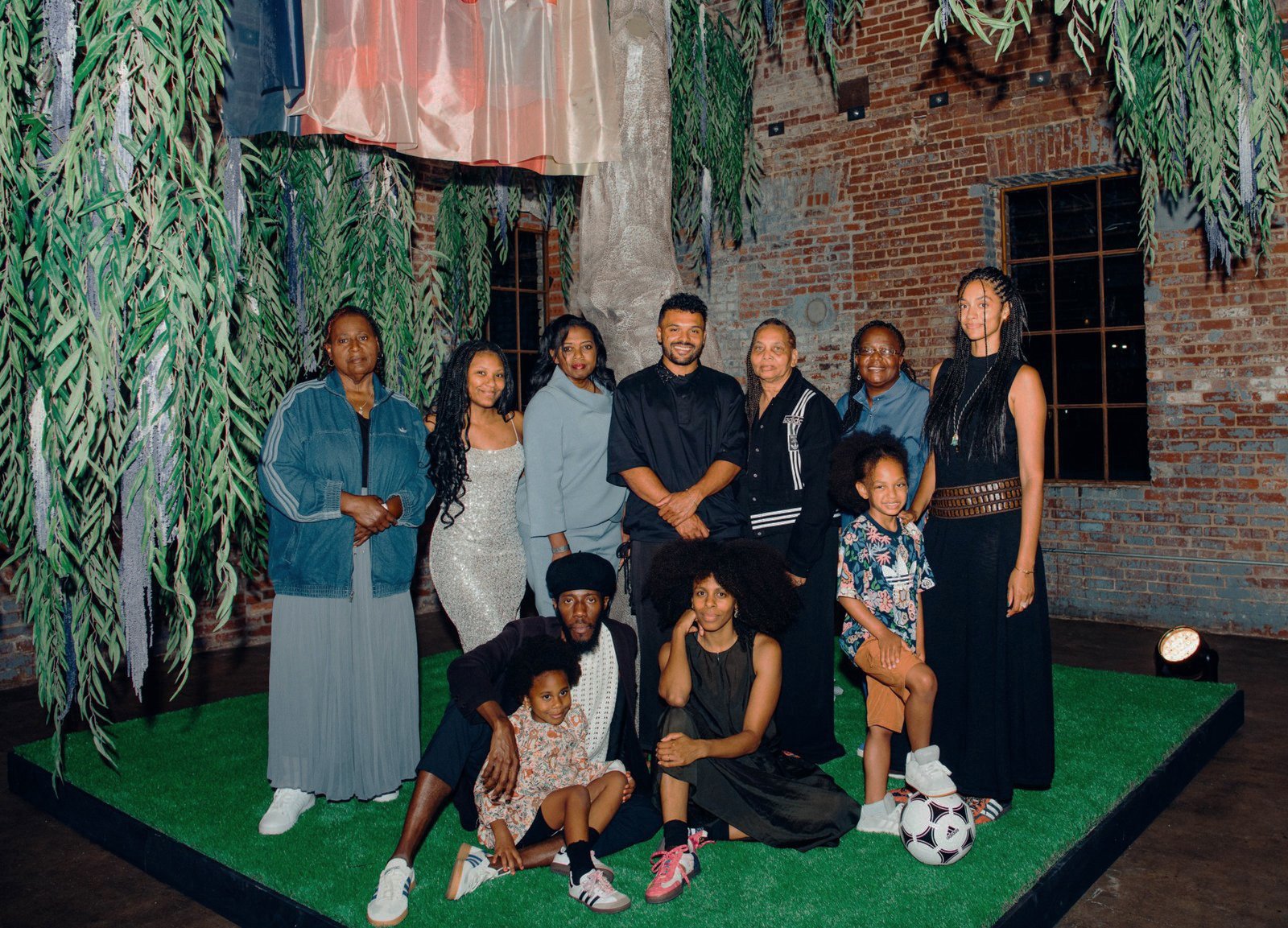
Nur Abbas launches PARSEL
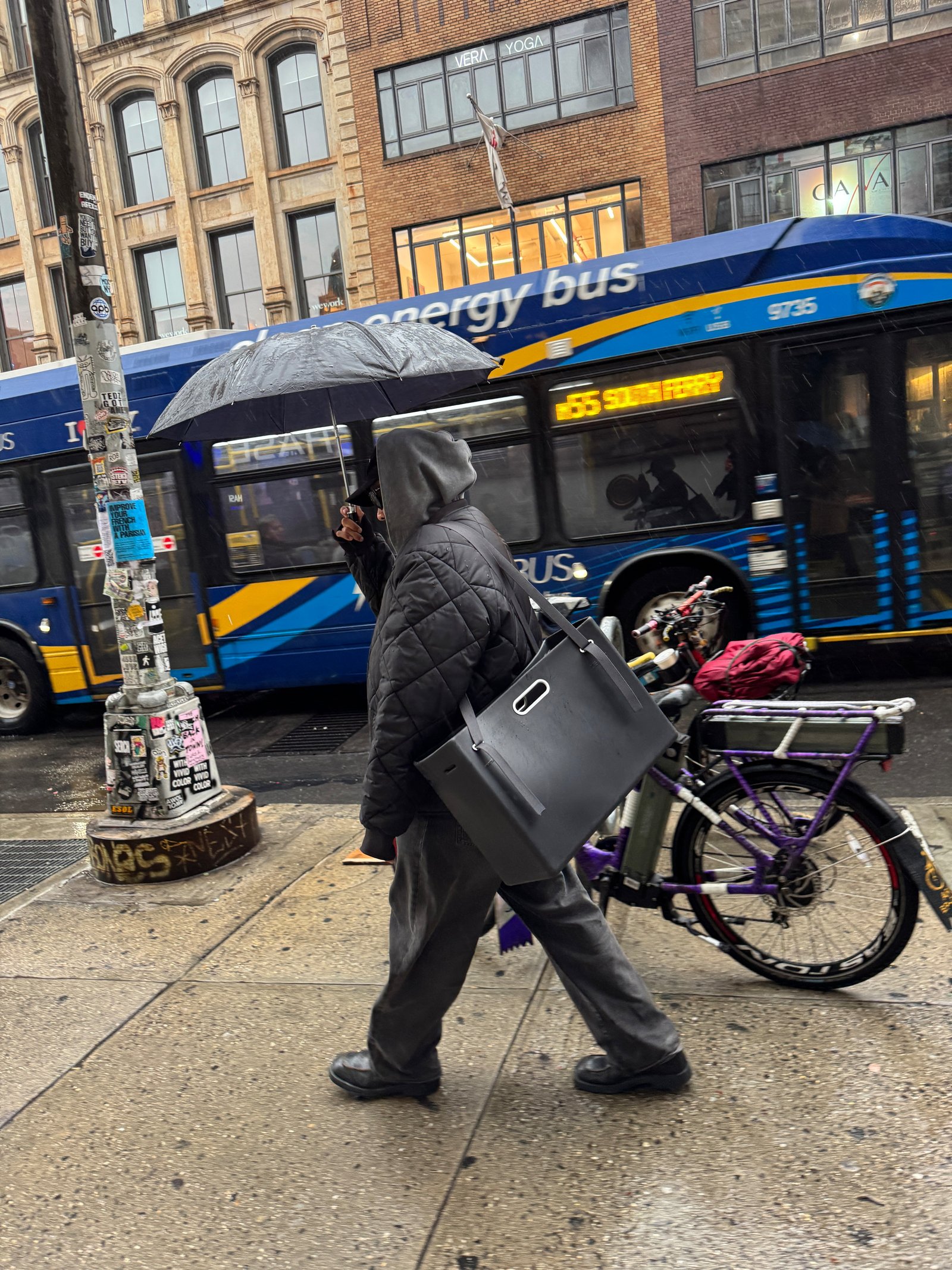
Justsmile road-tests PARSEL’s new EVA tote bag in NYC.
Text Dan Victoria Gleason
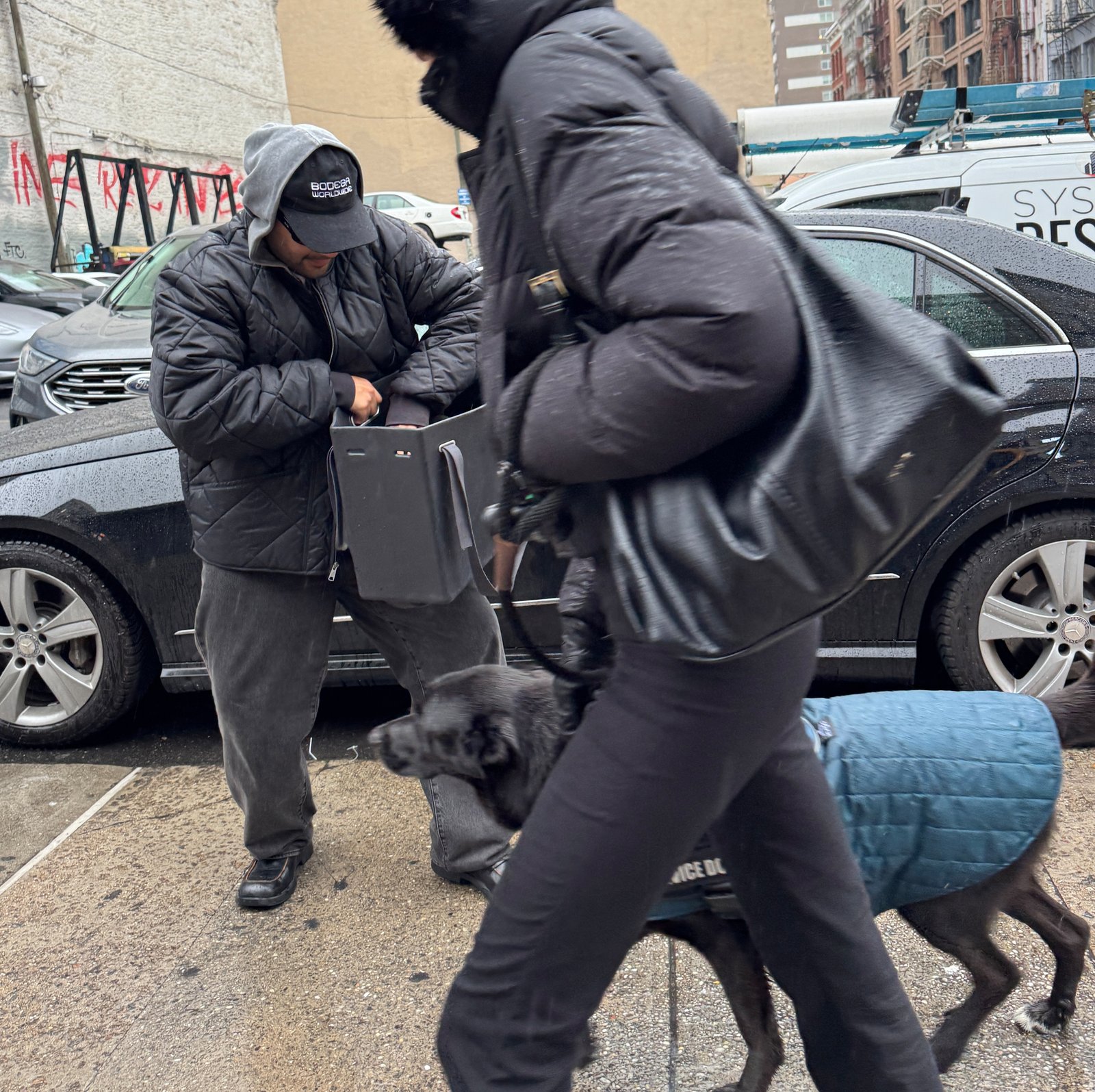
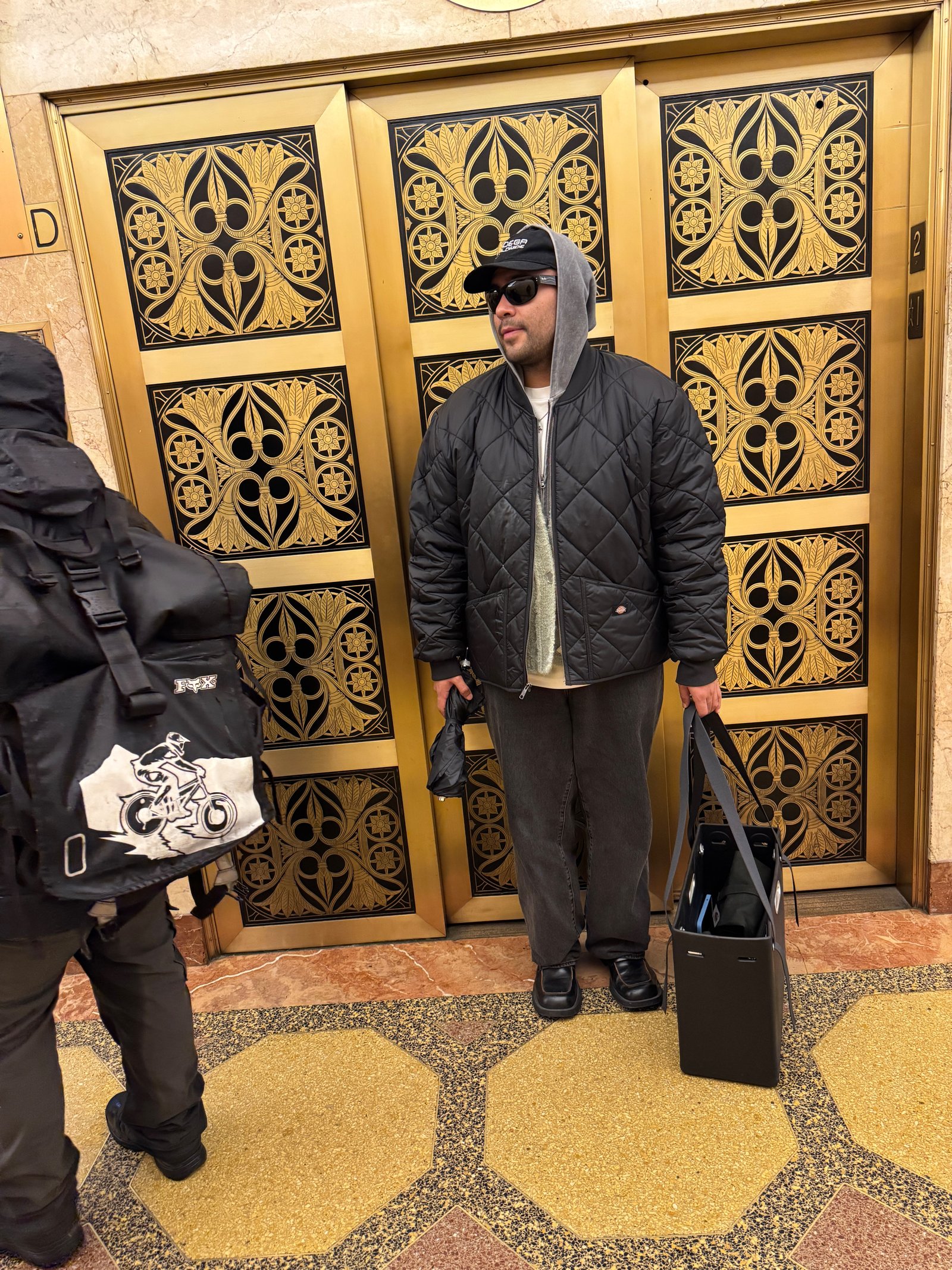
Dan Victoria Gleason with PARSEL's EVA tote bag.
Dan Victoria Gleason: Congratulations on the launch of Parsel. I was taking a look at your Instagram and I love that it feels very real. Not pretentious at all. Why would you say it’s essential as a brand, to connect with the world? But most importantly, to make them feel part of something.
Nur Abbas: In essence, we wanted PARSEL to feel real and relatable, not just a technically polished product. When we worked with Roe Ethridge on the imagery, it was crucial to keep that sense of humanity in the visuals. Roe is an incredible photographer who brings humor and a new perspective to the product.
While we focused on creating bags that are rational in their design, we also wanted the human factor to come through. That’s included in the feel of the materials, the textures, the colors, and all the subtle details that make the product more than just an object. Hopefully, that comes across in the imagery and makes people feel like they’re part of something genuine.
DVG: When looking at the campaign’s images, I love how the Eva Tote is a bag for everybody. Reminds us that we are all interconnected. How did the shape come to mind? What was the design process like?
NA: The key thing is that we wanted PARSEL to feel human and down-to-earth, not just a technical exercise. When we worked with Roe Ethridge on the imagery, it was really about capturing a sense of playfulness and relatability. Roe is a fantastic technical photographer, but also has a great way of making things feel approachable, so even though the bags are designed to be coherent and rational, they still have that warmth.
We wanted the materials, textures, and colors, those little tactile choices that make it feel more personal, to come through on a human level. Hopefully, that all ties together in the imagery and makes people feel part of something that is genuine.
Our design process began with the idea of taking a bag back to its original state and building up from there. In other words, we were not just deconstructing the physical notion of a bag, but also the whole concept of what a bag is. Instead of focusing on creating a new “style,” we delved deeply into the fundamentals, almost questioning what it means to carry things at a fundamental level.
We approached it from several directions. One was about human ergonomics, ensuring the bag fits naturally with the human body and feels comfortable in the hand. Another aspect was the internal space, considering it universally and making it as open and straightforward as possible, so that you can put almost anything in there.
And finally, we considered the spaces the bag would be stored in: overhead bins, car trunks, and shelves. Taking into account all these real-world constraints. The design process was primarily about exploring space and universality, rather than just creating a new piece of merchandise.
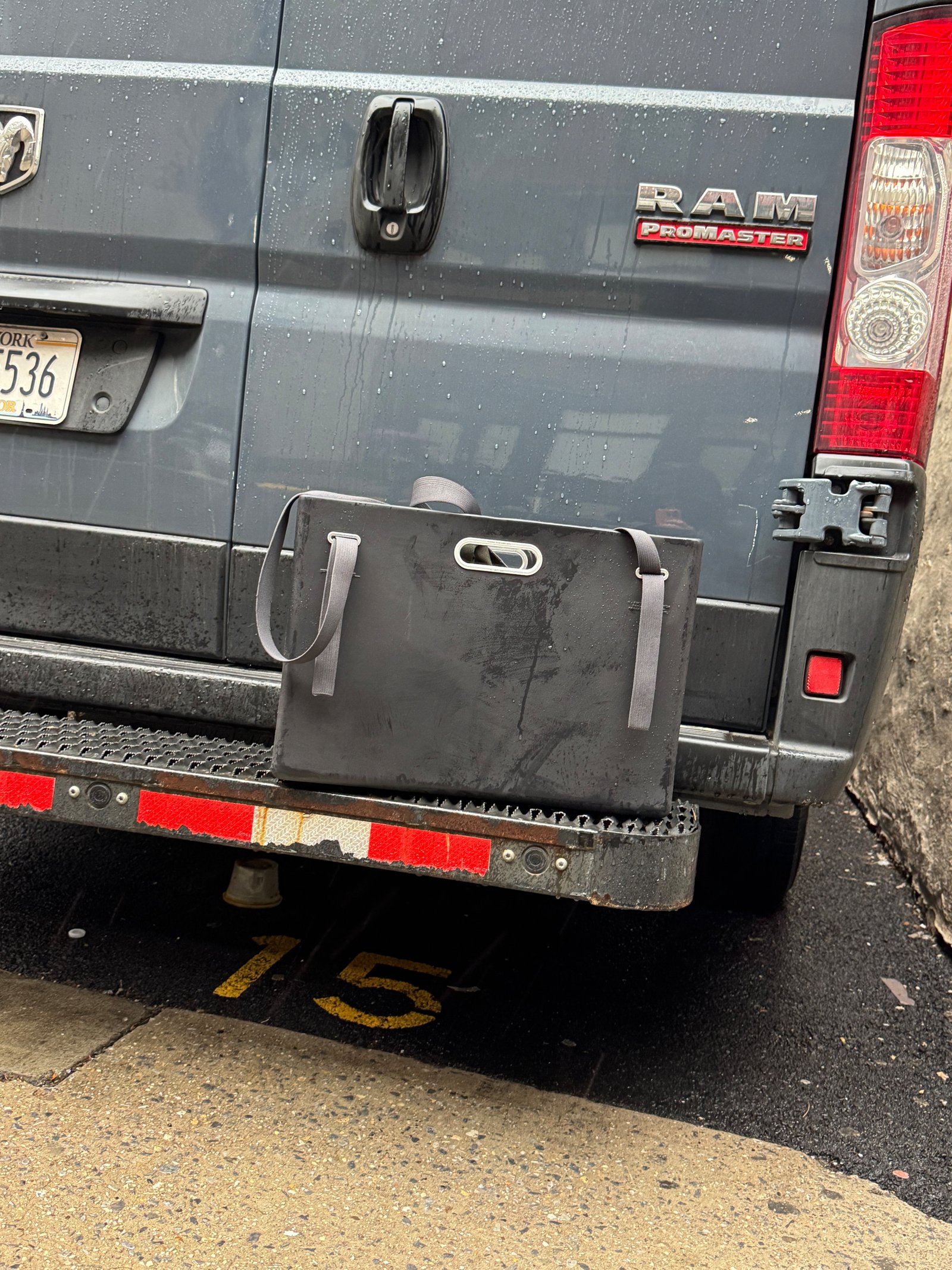
DVG: I also love that the bag feels genderless. Perfect for anybody who needs a tool to carry their life around. Was this always the idea?
NA: In a way, that was always the idea. We never really brought gender into the process at all. We have a diverse team, and the input came from a range of individuals. Our approach is just to think about the product as something universal that can work for as many people as possible, without categorizing it by gender. That just feels like an old way of thinking about products, especially something like a bag. We’ve passed the point where there are strict rules about who wears what.
It’s nice to remove that constraint entirely. We just focused on making it practical and comfortable for anyone who needs it. That’s really the core idea.
DVG: You’ve created something beautiful that is actually functional. That is genius. In a world full of brands, why create a new one?
NA: In a sense, we could’ve pitched this idea to another brand, but honestly, that’s not really how we wanted to work. The beauty of PARSEL is that it’s not just about the product, it’s about creating a whole new framework for how we design and how our team works together. That’s really the underlying theme. The product you see is just the start, there’s a whole process and a way of working behind it that makes it unique.
And that’s why it was worth creating a new brand, so we could house that whole vision and let the team shape it. I don’t think it would’ve worked the same way if we just handed the idea off to someone else. It’s special because of the people involved, our designers, our material specialists, everyone who’s thinking creatively on both the design and business sides. That’s what really warranted starting PARSEL as its own entity.
DVG: Super cliché question, but I want to know the inspiration behind it. And the name, I’m guessing it has to do with boxes and shipping terms?
NA: You know, I don’t think it’s a cliché question at all. This might be the first time I’m being asked that in an interview. We wanted a name that was evocative, something that hints at the idea of a container, like a parcel you wrap up and send. But with the new spelling, we didn’t want it to be too literal. It’s about creating a new word, something that fits the idea of building everything from scratch. Nothing off-the-shelf, no pre-existing dictionary meaning, just a fresh start.
That really aligns with the product itself. We wanted a name we could fill with our own meaning as we grow the brand. So yeah, it’s about the idea of a container and travel, but also about creating something entirely new.
DVG: You are first launching at Dover Street Market in Ginza and a standalone in Los Angeles? Why those places? What’s your connection to them?
NA: Dover Street Market has always been close to my heart. I’m British, and back when I worked in London, on Dover Street itself, when the first DSM was being built. I used to go there practically every lunchtime. Now, with my work often taking me to Tokyo, it just felt natural to partner with them. They understood the vision right away and they’re super receptive to new ideas, so they’re kind of the perfect partner.
As for LA, we had the opportunity to open our own space there, and it just made sense. I’m a big advocate for the West Coast. It still feels like a frontier of new ideas. LA has that younger, vibrant energy that’s an excellent fit for PARSEL. So those two places just felt like the right starting points for us.
DVG: How is working together? What would you say is the best thing about this partnership so far? Something that Nur has learned from Roe and vice versa.
NA: I can only speak for myself, of course. I’ve admired Roe’s work for a long time, I’ve got many of his books, and even the t-shirts, and I’ll look out for his new projects, so getting to work with him was a bit of a dream come true. Before we even spoke, he sent over this test shoot that was totally unexpected: photos of the product in a hotel bathroom, dripping with water. It was nothing I would have conceptualized myself, but it made perfect sense and gave the brand this fresh, almost “newborn” feeling. And I loved that.
I think that’s exactly what’s needed, someone who brings an entirely different, surprising perspective. If it was just a photographer doing exactly what we already had in mind, then why get someone else in? The best thing about this partnership is how Roe’s unexpected approach made the whole project richer. It really shows the value of having different perspectives.
DVG: It’s your last day on earth. What are you carrying in the Eva tote?
NA: If it’s my last day on Earth, I don’t know if I’d need to carry anything at all! I’m not trying to dodge the question, but when we designed these products, it was really about what we need day-to-day, what we want to carry with us, and what we need for travel. In a way, I’m filling the bag with my hopes and expectations.
So if it’s my last day, maybe I don’t have those expectations. Maybe I wouldn’t need a bag at all. But if I think about it more conceptually, you know, there’s an idea in backpacking that pack “pack for their fears.” I like to think for PARSEL, we pack for our hopes instead. So on an everyday level, it’s about being positive about what the product can do and how it serves a practical purpose.
See the full range here at parsel.com. or at Dover Street Market Ginza